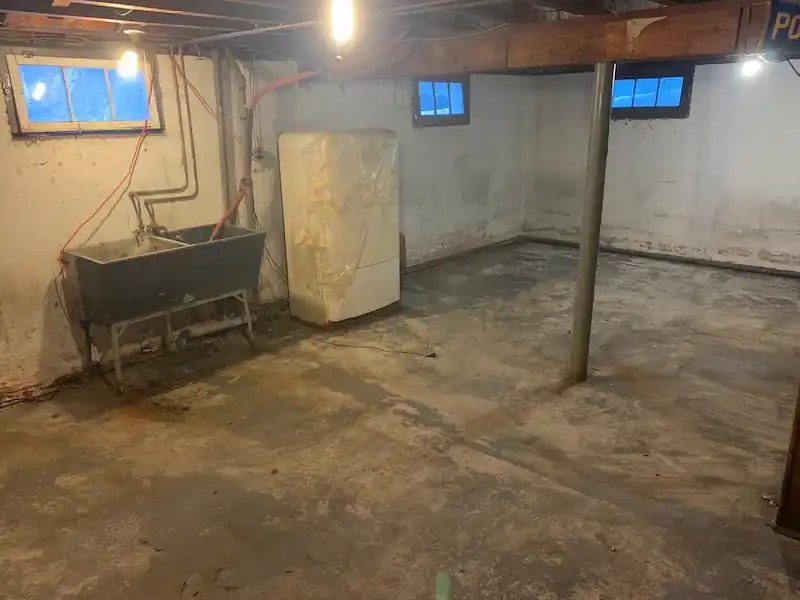
What makes an old appliance so hard to move?
Appliances are dense. A top-loading washer, an electric range or a chest freezer packs all its weight into a box with no handles, and the laundry room often sits down a flight of stairs that was built long before anyone imagined carrying one back up. Homeowners in Bayonne and Kearny, where laundry tends to live below grade, usually find that out halfway up the steps.
Then there are the connections. Dryers have vent ducts and cords, washers have hoses that still hold water, and gas ranges have a supply line running behind them. Pull the wrong thing and you get a wet floor or a smell you don't want in the house. Most people leave the old machine standing in place for months because nobody wants to be the one who finds out.
How does the crew handle the hookups and the stairs?
Send a photo of the appliance and the route it has to travel, or list what's going. The estimate comes from that, and the final price is confirmed on site. Tell the office whether the unit is gas or electric and whether it still holds water, so the crew arrives with the right plan for that machine.
Crew members do the lifting, loading and hauling, and they sweep up where the machine sat. If the washer is in a Livingston basement and you are at work, you don't have to be there once access and scope are confirmed. A 25 cubic yard truck means the washer, the dryer and the old stove can all leave on the same trip instead of three.
Price, limits and where old appliances end up
One or two appliances fall under the single item pickup price of $185 to $250. Extra-heavy units, generally over 150 lb, can raise it, as can oversized models or a long carry through difficult access. That price includes labor, loading, hauling, disposal fees and the sweep-up, with no hourly rate. A whole kitchen's worth is priced by truck volume instead.
Appliances are donated or recycled whenever possible, and a working washer or range is a better fit for donation than a scrapyard. Cleaners and solvents stored on top of the dryer should be set aside, because the crew does not take chemicals, fuel, gasoline, propane tanks, pesticides, wet paint, asbestos, medical waste or unknown liquids.